Treats only the truly necessary areas through region-by-region facial segmentation
Using the minimum amount of filler to induce volumizing and lifting effects
No side effects such as sagging or filler migration caused by excess filler
Initial design tailored to each individual's face shape and needs
A personalized treatment plan based on a custom design guide
For a wide range of wrinkle correction, from shallow lines
around the glabella, eyes, and forehead to deep nasolabial folds,
the Serial Puncture techniqueThe needle is injected while penetrating the dermal surface
at a 30–45 degree angle to the skin layer,so the filler is placed into the skin
forming tiny millet-like deposits.
around the glabella, eyes, and forehead to deep nasolabial folds,
the Serial Puncture techniqueThe needle is injected while penetrating the dermal surface
at a 30–45 degree angle to the skin layer,so the filler is placed into the skin
forming tiny millet-like deposits.
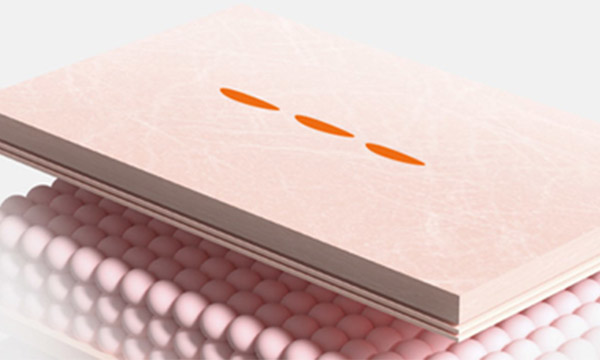
Suited to PLLA and HA filler types,
mainly used for nasolabial folds, lips, cheeks, and under-eye hollows,
the Linear Retrograde Threading technique requires a delicate sense of touchWidely used alongside the Serial Puncture technique,
the bevel of the needle is turned upward when injecting filler,
laying it at a 30–45 degree angle to the skin to inject at the appropriate depth.
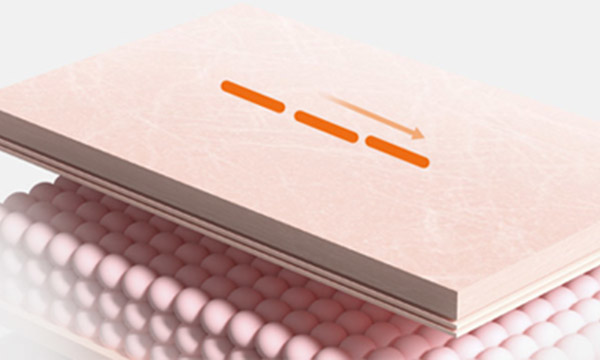
For correcting a recessed chin, chin tip, and temples,
and for volume augmentation, the
Anterograde Injection techniqueWith the Anterograde Injection technique, the filler enters the tissue
smoothly, with the advantages of reducing the likelihood of bruising and
reducing the number of needle entry points.
and for volume augmentation, the
Anterograde Injection techniqueWith the Anterograde Injection technique, the filler enters the tissue
smoothly, with the advantages of reducing the likelihood of bruising and
reducing the number of needle entry points.
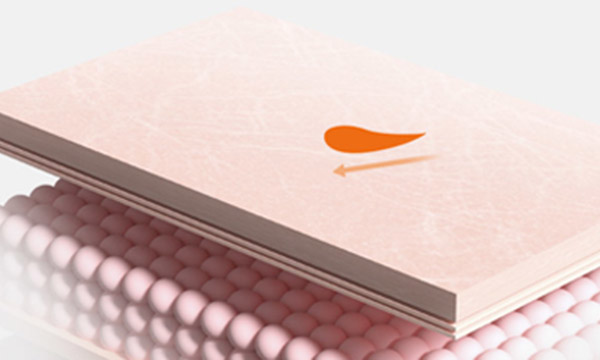
For augmenting volume in a hollow forehead, sunken cheeks,
under-eye areas, or the cheekbone region, the
commonly used Fanning techniqueMarking a pivot point as with a compass and tracing a semicircle,
the filler is injected into the superficial subcutaneous or lower dermal layer.
It has the advantages of leaving fewer needle marks and taking less treatment time.
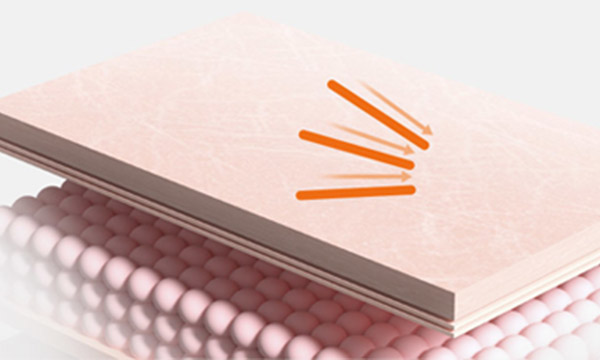
The cross-hatching technique
for smoothly treating severely sunken
cheekbones and cheeksInjection directions cross at right angles
to fill a wide area of volume loss.
This is useful for raising soft tissue
over a broad area and to a greater thickness.
for smoothly treating severely sunken
cheekbones and cheeksInjection directions cross at right angles
to fill a wide area of volume loss.
This is useful for raising soft tissue
over a broad area and to a greater thickness.
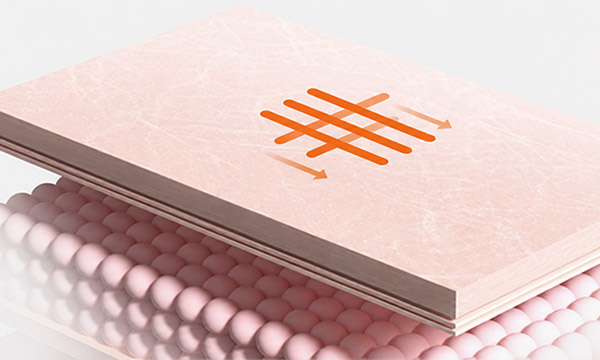
LIFTON Dermatology's precise, personalized filler design
considers facial structure
and movementWe analyze individual facial contours, skin thickness, and expressions,
precisely injecting suitable amounts only where needed
to create natural volume and balance without excess.
considers facial structure
and movementWe analyze individual facial contours, skin thickness, and expressions,
precisely injecting suitable amounts only where needed
to create natural volume and balance without excess.

More than anything, filler is a procedure in which the practitioner's
technique and detailed sensibilityare
critically important.To prepare for emergencies, LIFTON's medical staff and team
train regularly, making safety the top priority.
Micro-needles require more complex and difficult skills
than ordinary needles, but LIFTON does not compromise on convenience
and places safety above all else.
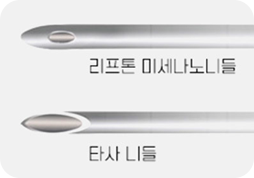
POINT 1.
Use of Micro Nano-NeedlesTo prevent side effects caused by
vascular damage and intravascular filler injection
and for a safe procedure, we use
premium micro nano-needles.
Use of Micro Nano-NeedlesTo prevent side effects caused by
vascular damage and intravascular filler injection
and for a safe procedure, we use
premium micro nano-needles.
POINT 2.
Safety SystemDuring filler treatment, we use regurge (*Regurge;
a method to safely confirm where the injection was placed)
to repeatedly check for vascular damage,
closely observing the treatment process.
Safety SystemDuring filler treatment, we use regurge (*Regurge;
a method to safely confirm where the injection was placed)
to repeatedly check for vascular damage,
closely observing the treatment process.